✱ Pigeon rescue guide
A basic guide to the initial care for a sick / injured pigeon.
Signs of a pigeon in need
This applies to all feral and wood pigeons as well as wild doves
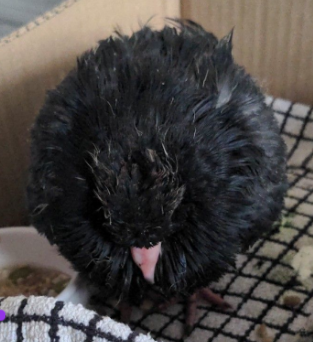
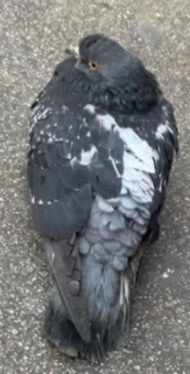
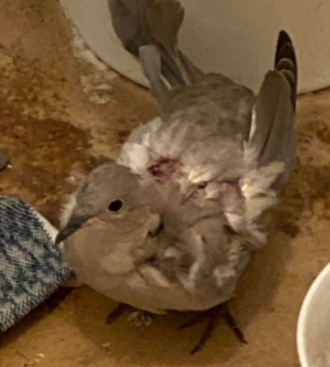
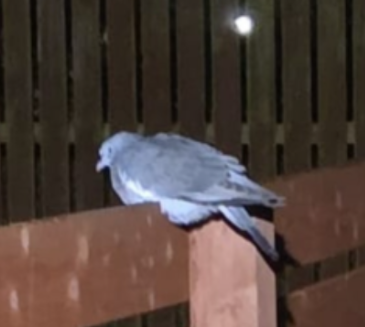
• Standing puffed up/ruffled feathers, usually also alone and hunched over
• Limping or any difficulty walking
• Unable to fly or any difficulty flying
• Crusty or weeping eyes, nose or beak - usually with heavy and/or open-beak breathing
• Staying on the ground or low down at night
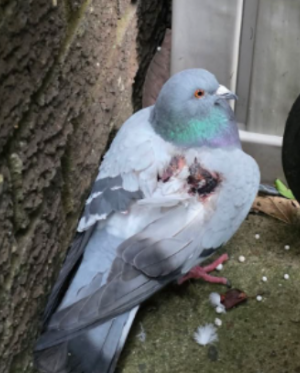
• Visible wounds or injuries
• Unusual behaviour: neck twisting, head tremors, falling over, spinning in circles
• Hair/string around toes and feet
• Hatchling or nestling pigeons out of the nest or injured/unwell
• Feral fledglings showing signs of injury/illness, in an unsafe place/at risk of harm or not flying away when approached. They should only leave the nest when they are fully self-sufficient and able to fly. The parents do not feed them on the ground.
• Wood pigeon or dove fledglings showing signs of injury/illness or in an unsafe place/at risk of harm. It is typical for these fledglings to spend a few days on the ground, learning to fly, while being occasionally tended to by the parents.
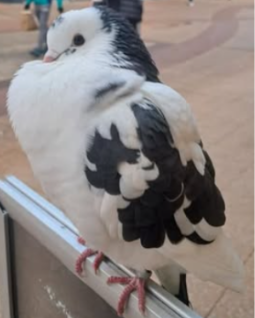
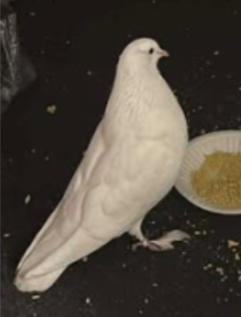
• Fancy or racing pigeons (usually have a leg ring but not always) need to be contained regardless of illness or injury
• Pigeons that are extremely friendly and/or seeking out humans even without food (this could be a lost pet or a ‘self rescue’)
(Please see the Types of Pigeons post from Lucky Wing Rescue for more detailed information)
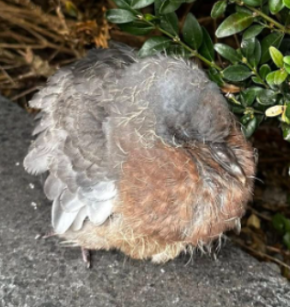
So you’ve confirmed that the pigeon is in need of help - that’s great!
Now the next part is very important…
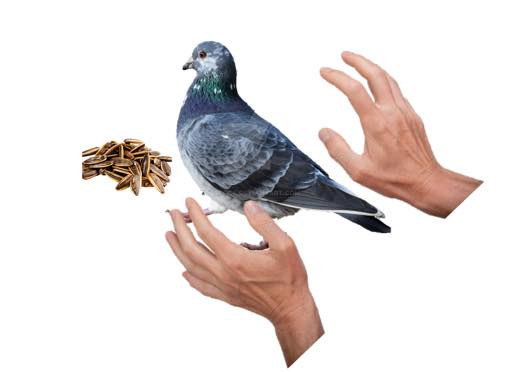
YOU need to pick up the bird. They will not hurt you, you will not hurt them. You are this bird’s best chance at survival and until the bird is contained, help cannot be given.
If the bird can fly: If you cannot lure the bird close enough to catch with your hands or you are not confident in doing so, they can be lured into a simple trap with food. This can take a while but it will eventually work, even if it takes multiple attempts over many days.
If the bird can’t fly: If you cannot lure the bird close enough to catch with your hands or you are not confident in doing so, you can throw a large towel or heavy blanket over the bird to stop it immediately running away. Bundle/trap the bird in the towel or blanket to then prepare for transfer into containment.
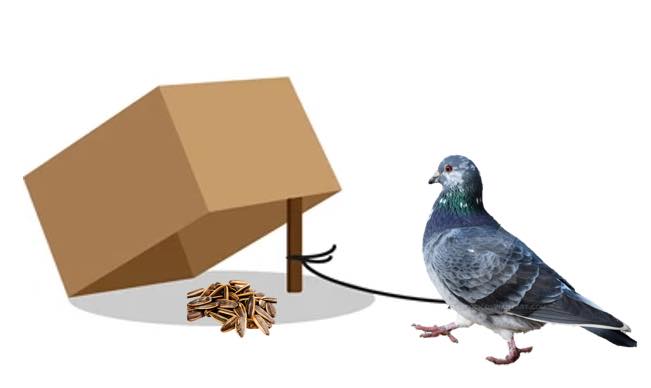
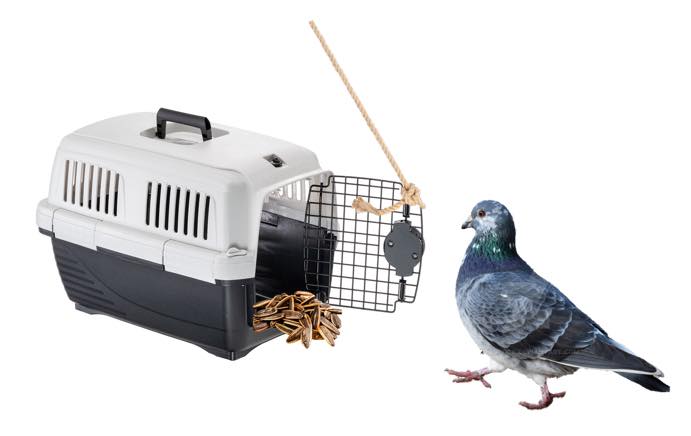
Once caught, place the bird in a well ventilated cardboard box/cat carrier/etc - anything works for temporary containment! We have had people use shoe boxes, ‘Bag for Life’ bags, paper bags, large tupperware or storage boxes. As long as the bird is contained and can breathe, it will do!
You have a pigeon in a box… So what now?
- Do not offer food or water unless advised to do so by a rehabber
- NEVER try to put water in the beak with a syringe/dropper or any other method - this will drown the bird!
- Keep the contained bird somewhere warm, dark and quiet - If you have a hot water bottle or rice sock, you can place this with the bird ensuring there is space for them to move away (please always cover hot water bottles with a pouch or tea towel first!)
- Make a post on the Pigeon Protection Scotland Facebook group. Please include:
* Location, this is very important!
* What is wrong with the bird - include any observed symptoms like poop colour/texture, behaviour, injuries, visible illness
* If you are able to transport the bird yourself or not (i.e you can drive, get a lift, use public transport)
- Please be patient as it can take some time for someone to see your post, you can always send a message in the Help channel within the Messenger community chat too
- Listen to and follow the advice rehabbers give you, we are experienced members of the group and will advise you on the best next steps
- It is not always possible for rehabbers to take in the bird immediately, we will prioritise birds who are most at risk
- Do not take the bird to a vet (besides those found on our list here) or phone the SSPCA - In certain cases (wing/leg breaks, neurological symptoms, etc) they are extremely likely to put the bird to sleep when a rehabber could have treated them
For help across the rest of the UK:
Get support from our community
Pigeon Protection Scotland is a group for discussion, questions, advice, and calls for help regarding sick or injured pigeons in Scotland - both feral and domestic breeds.
Make a post stating your location and the bird's main symptoms and the community there will try to find you the right help.
Our Pigeon Care Resources
We have created more detailed pigeon care and rehabilitation resources which covers everything from immediate first aid to keeping pigeons as pets.